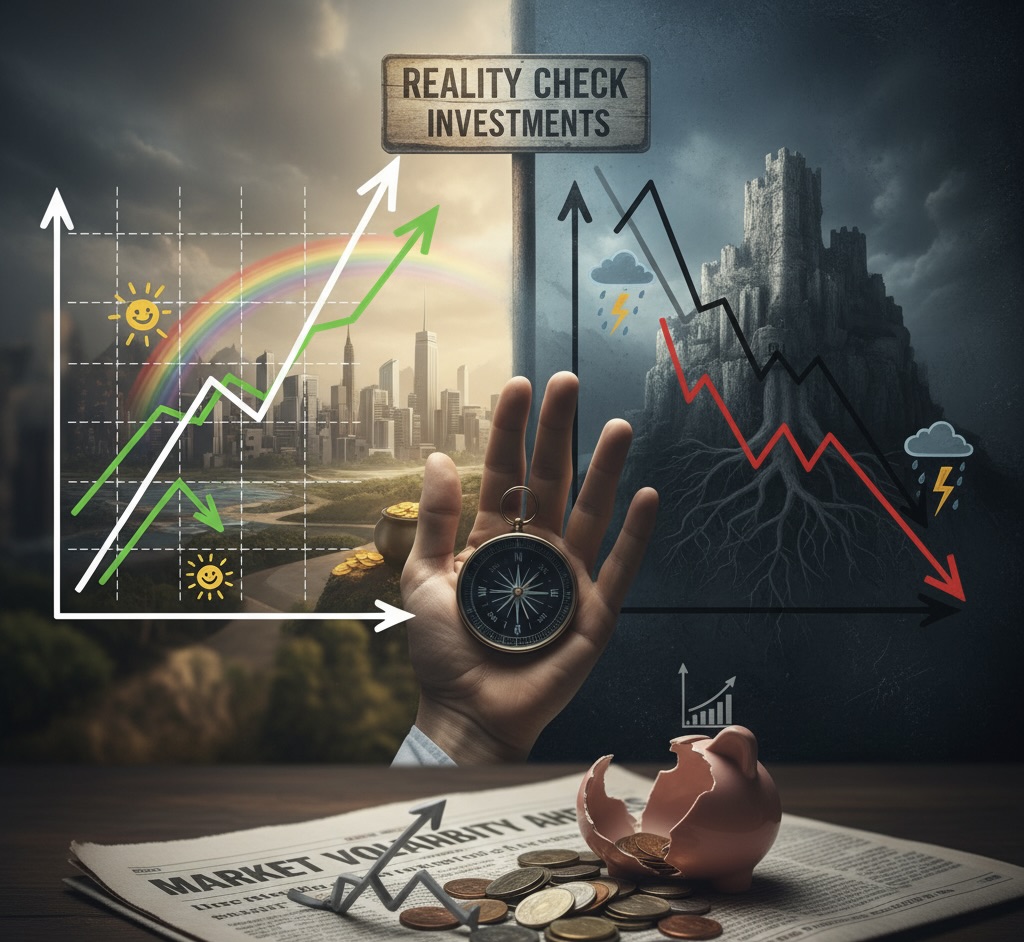
We’ve all felt it. A “BREAKING NEWS” banner flashes across your screen—a company’s earnings were amazing, or a grim economic forecast just dropped. Your heart skips a beat. The FOMO (Fear Of Missing Out) kicks in. You think, “I’ve got to get in on this!” Your immediate instinct is to open your brokerage app or contact your financial advisor and do something. Buy or Sell!
In our hyper-connected, 24/7 world, we’re constantly bombarded with information that feels urgent and actionable. But here’s a hard truth for long-term investors: reacting to the news is almost always a terrible mistake. Why?
The Market Is Already Ahead of You
By the time a piece of news reaches you, it’s ancient history to the market. The market has already made its moves before the headline was written. This idea is captured by the Efficient Market Hypothesis. It sounds complex, but the concept is simple: all publicly available information is already “baked into” a stock’s current price.
Think of it this way: the news doesn’t give you a sneak peek into the future; it gives you an explanation for why the price is what it is right now. Essentially, the news is a rearview mirror, not a crystal ball.
Emotion is the Enemy of a Good Return
So, what happens when you make investment decisions based on news headlines? You let emotion take the wheel. You see, the news is designed to get a reaction, playing on our two worst investment impulses: fear and greed.
- Greed makes you buy a stock AFTER it has already soared on good news.
- Fear makes you panic-sell AFTER bad news has already driven the price down.
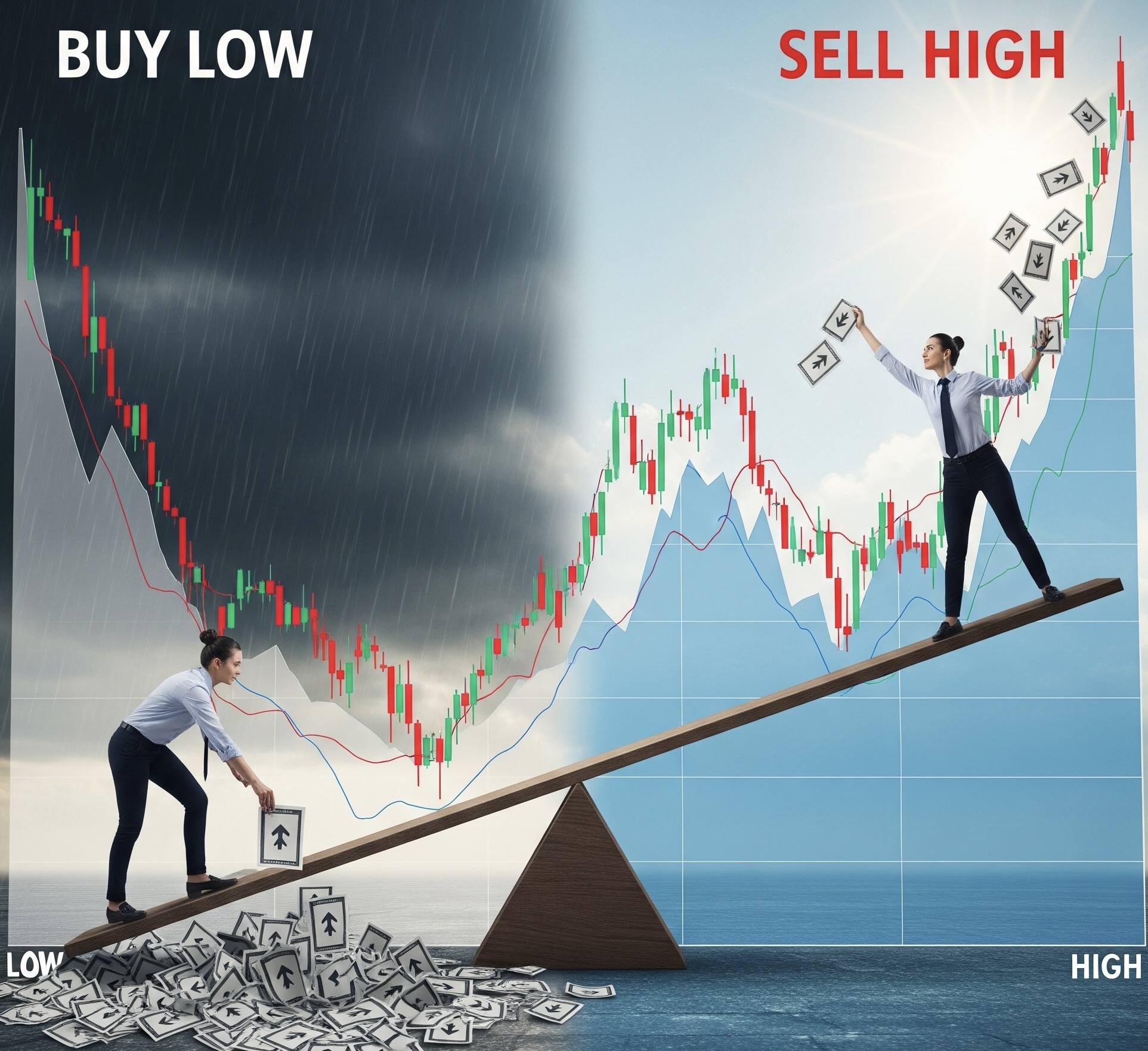
Needless to say this cycle of buying high and selling low is a recipe for investing disaster. Don’t get me wrong. I am not saying that you should not have emotion. That is what makes us human. What I am saying is, acknowledge the urge to react, and then gently let it go.
Here’s What to Do Instead: Tune Out the Noise
If you can’t beat the algorithms on speed, how do you win? By playing a different game. Your greatest advantage as a long-term investor isn’t speed; it’s patience. Instead of reacting to the daily noise, focus on what truly matters:
- Have a long-term plan based on your goals and risk tolerance. The best defense against reactive decision-making is a solid, long-term investment plan that you create when you’re calm and rational.
- Think like a business owner, not a ticket-holder. Does today’s news fundamentally change a company’s outlook for the next 10 or 20 years? Most of the time, the answer is probably not.
- Stay the course. Often, the smartest move you can make is no move at all.
So, the next time you see that urgent headline, take a breath. Remember that the market has already moved on. Stick to your plan and let your portfolio grow in peace, far from the chaos of the 24/7 news cycle.