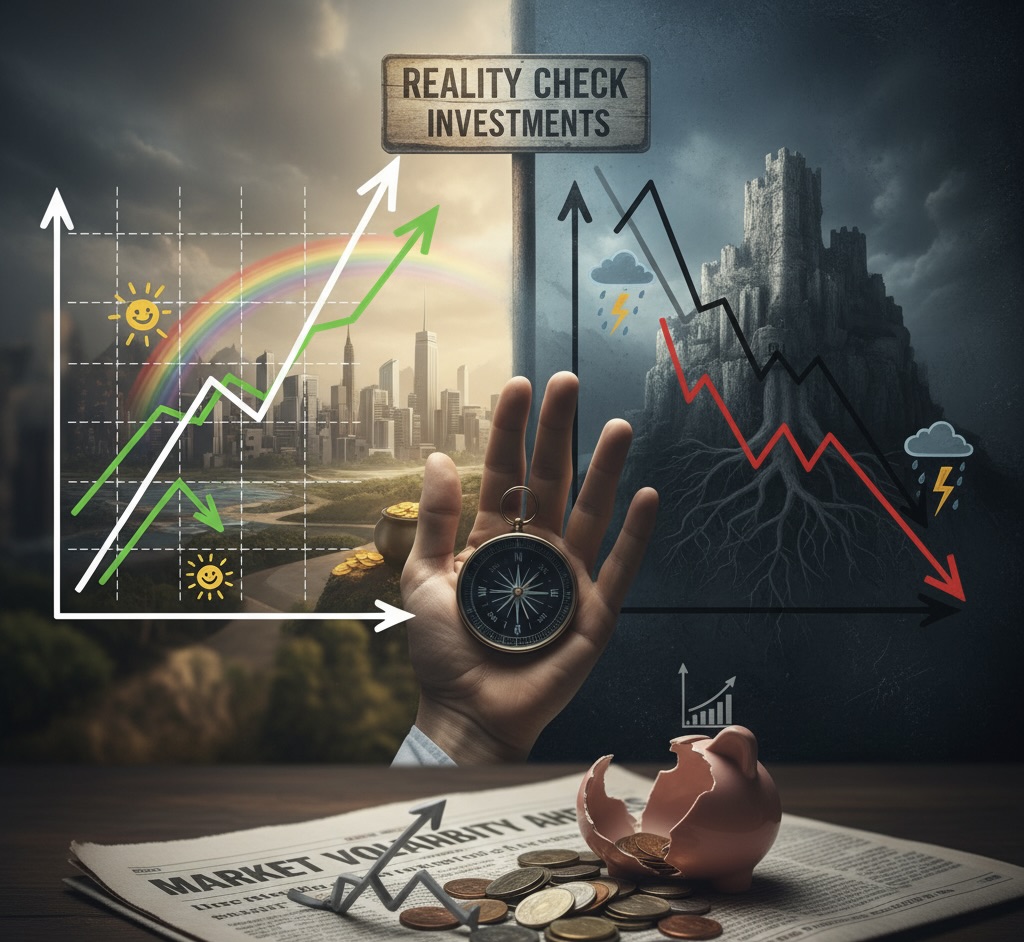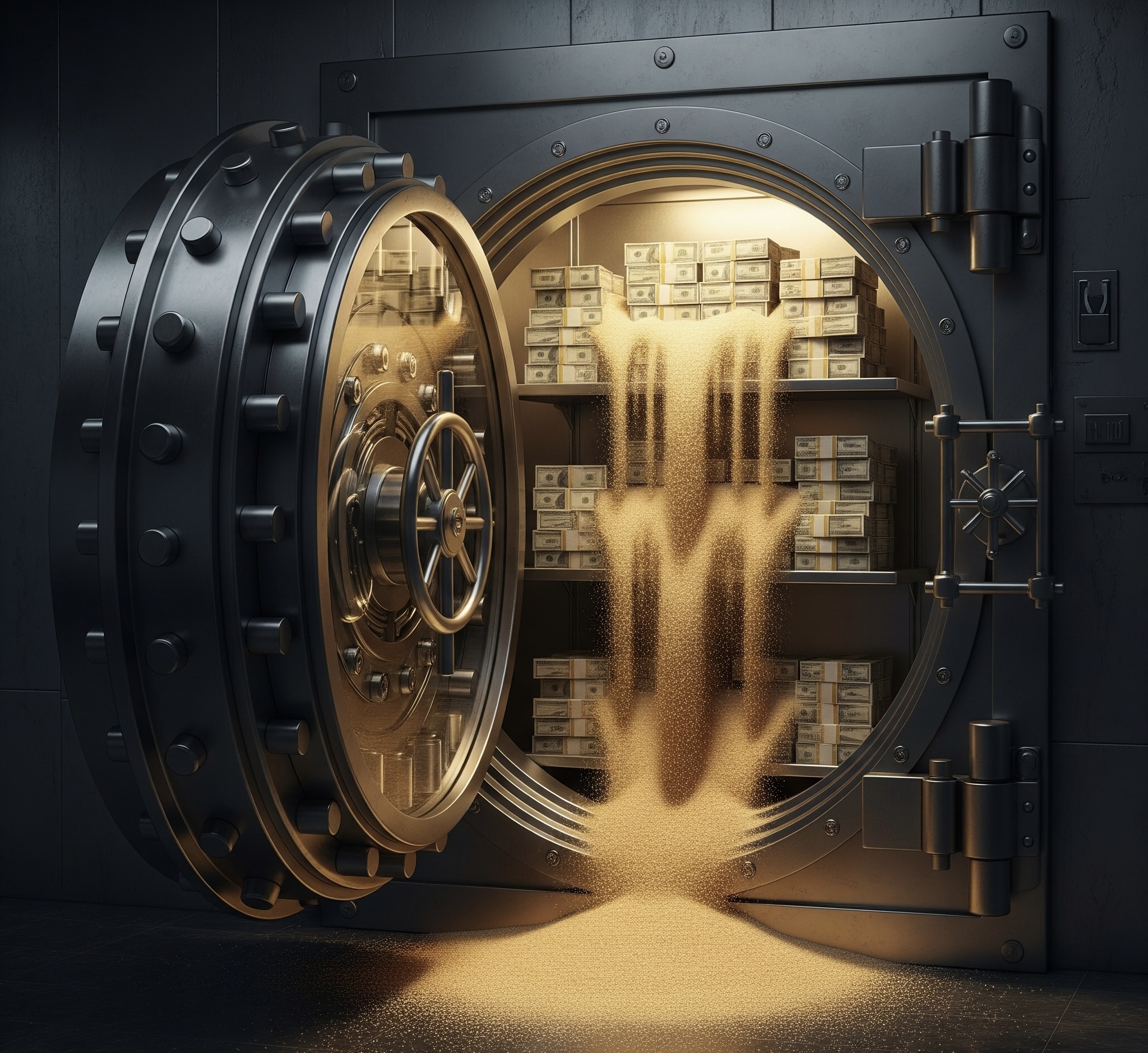
Walk into any local bank, and you’ll likely see advertisements for Certificates of Deposit (CDs). They’re often presented as the bedrock of safe savings—a place to put your money where the principal is secure and the interest rate is guaranteed. Many people hear “guaranteed” and translate it to “risk-free.” After all, unlike the stock market, the number on your statement never goes down.
But this is a dangerous oversimplification. While CDs don’t have the stomach-churning fluctuation of stocks, they are far from being completely free of risk. In fact, the biggest clue is right there in the bank’s window: the “FDIC Insured” logo.
Think about it: Why would you need insurance for something that has zero risk? You insure your house against fires and your car against accidents because those risks, however small, exist. The Federal Deposit Insurance Corporation (FDIC) was created for the very same reason—because banks can fail. That insurance is a safety net for a specific type of risk, not a certificate of absolute safety.
The real danger for savers isn’t just a bank failure. It’s about confusing a lack of fluctuation with a lack of real-world loss. Let’s break down the hidden risks in that “safe” CD.
The Silent Killer: Inflation Risk
This is the most significant risk every CD holder faces. Inflation risk, or purchasing power risk, is the danger that the interest you earn won’t keep up with the rising cost of living.
Imagine you lock in a 1-year CD at a 3% interest rate. Your $10,000 will become $10,300, guaranteed. But what if inflation during that same year runs at 4%? Your money grew by $300. But the cost of goods and services that cost $10,000 at the start of the year now costs $10,400.
Even though your statement shows a gain, your money can now buy less than it could a year ago. You’ve essentially experienced a 1% loss in real-world purchasing power. It’s a quiet, invisible loss, but it’s a loss nonetheless.
Other Hidden Risks
Beyond inflation, locking up your funds also means you face penalties if you need the cash before the term ends (liquidity risk) and you might miss out if better interest rates become available later (opportunity cost risk).
Fluctuation vs. Loss: The Critical Difference
This is the core concept every saver needs to understand.
- Fluctuation is the daily up-and-down price movement of an asset like a stock. It feels risky because you can see the value change. However, a downward fluctuation only becomes a permanent loss if you sell at that low point.
- Loss is a real, permanent decline in your wealth’s value. Inflation creates a guaranteed, slow-motion loss of your purchasing power that doesn’t show up on your bank statement.
The Bottom Line: Be an Informed Saver
CDs aren’t inherently bad. They can be an excellent tool for short-term goals where you absolutely cannot afford to lose a single dollar of principal—like saving for a down payment you plan to make in 12 months.
However, labeling them “risk-free” is a misunderstanding. Their primary risk isn’t that the dollar amount will go down, but that the value of those dollars will. The next time you consider your savings strategy, look past the illusion of stability and ask the most important question: Is my money just sitting there, or is it actually working to grow my wealth and outpace the rising cost of living?